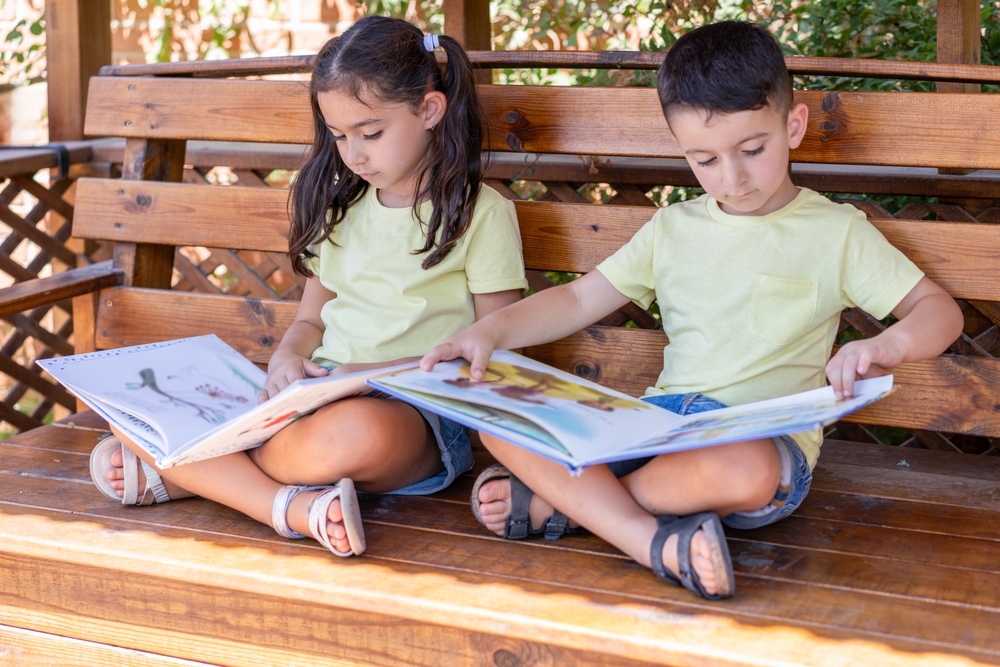
For most families, the chaos and fun of heading back to school happens in the fall. By the time spring arrives, your kids have mastered their school routine, made friends and are even looking forward to summer break.
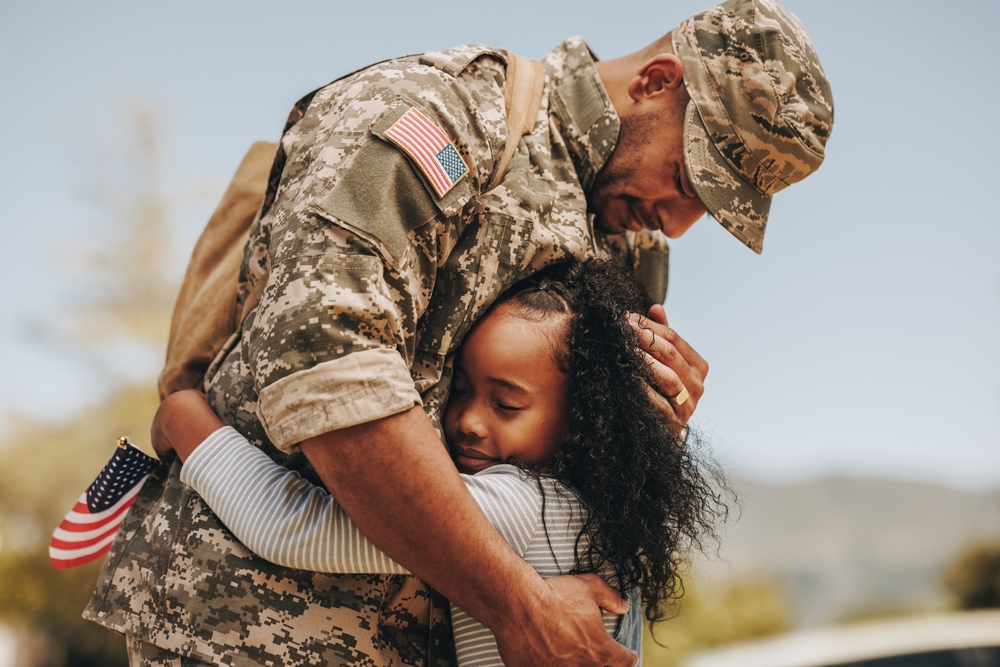
But for kids of military families, going back to school takes on a different meaning. The flurry of back-to-school activities – and the back-to-school anxiety – can happen any time of year as they move to different duty stations as new orders arrive.
There are approximately 1.6 million children of active duty military in the United States. Their lives are one of constant change – they face new homes, new schools, new friends and even new countries every few years.
April is the Month of the Military Child, a time to recognize the unique needs and contributions of military children. Here are four ways your child can play a pivotal role in the life of a military child.
1. Show Them Around
The average military child attends six to nine schools during their academic career and has to adapt to new surroundings and routines each time. Being the new kid is tough! Encourage your child to introduce themselves to new students and share information about the daily school routine. If they can, have them sit next to the new kid at lunch. Helping a new student feel welcomed and learn the school norms can minimize their stress and anxiety.
2. Be Open to Their Unique Worldview
Military kids are resilient and confident, and they have so many different life experiences. Advise your kids to be curious and ask questions! They could learn so much about how different life can be in other locations. Have them ask questions like:
- What was their other school like?
- What was it like living in a different city, state or country?
- What did they like most about the last place that they lived?
- What was their favorite food, restaurant or shop at any of the places they lived?
3. Speak Sensitively and Listen with Empathy
For parents, teachers and students, effective communication is key when teaching and talking to kids from military families about sensitive topics such as deployment. If it comes up in conversation, let the student talk about their fears and anxiety and help your child understand that listening is important in helping the military kid relieve their anxiety. To help your child be a supportive classmate, remind them to check in on the military child and ask how they are doing. It helps them to know that people are watching out for them and that they have support.

4. Share Information About Local Activities
While military families and children acquire wisdom during their travels, moving around so much or dealing with deployments can cause fear and anxiety. Encourage your child to share information about local clubs, rec sport teams and community-related activities that the military child can join. This can help them have an outlet to relieve any stress and anger about their situation. Getting involved also helps them build a social network and integrate with the community, which can improve their overall well-being.