Earth Day isn’t just a celebration—it’s a chance to help kids better understand the world around them. Climate conversations are getting louder and more complex, and kids often hear bits and pieces without having the tools to make sense of it.
Building climate literacy early doesn’t mean overwhelming children with scary predictions. It means helping them stay curious, understand how things work, and feel like they can make a difference.
Here are six simple ways to start.
1. Ask Them Questions
According to an NPR poll, 60 percent of U.S. schools don’t have climate change in their curriculum, despite 80 percent of parents agreeing it should be taught.
You can fill that gap by talking about the climate and sparking their curiosity with simple questions. Ask them why they think there is more rain in the spring and summer and more snow in the winter. Ask them if they know how floods or droughts happen.
From there, you can introduce bigger ideas in simple terms, like explaining the greenhouse effect as a “blanket around the Earth” that traps heat.
A few thoughtful conversations at home can spark an interest in things impacting our climate.

2. Use Hands-On Activities for Bigger Concepts
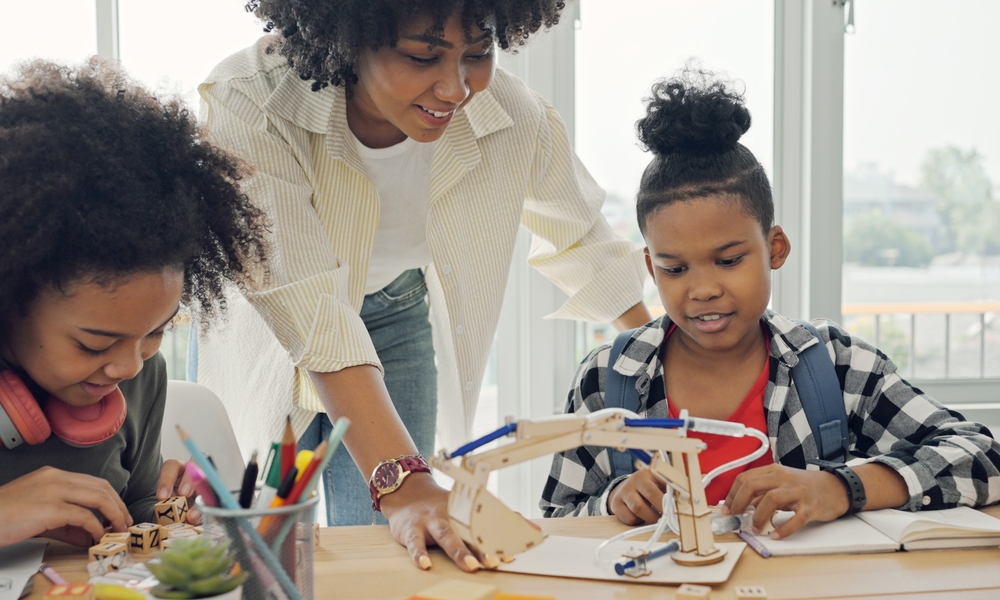
Kids learn best by doing. Adding climate change activities to playtime can make it more than an abstract concept.
A fun one to try: Place an equal amount of ice cubes in two shallow Pyrex dishes. Add a small amount of water to one of them. By observing the results—the ice placed in water should melt more quickly than the ice in no water—kids can see how ice melts faster in water than on land. This can open up a discussion about sea level rise and lack of water supply.
3. Read Bedtime Stories About Climate
According to Earth.org, children will experience nearly three times the amount of climate disasters as their grandparents. This makes it more important to cultivate their environmental awareness early to help them feel prepared—not scared.
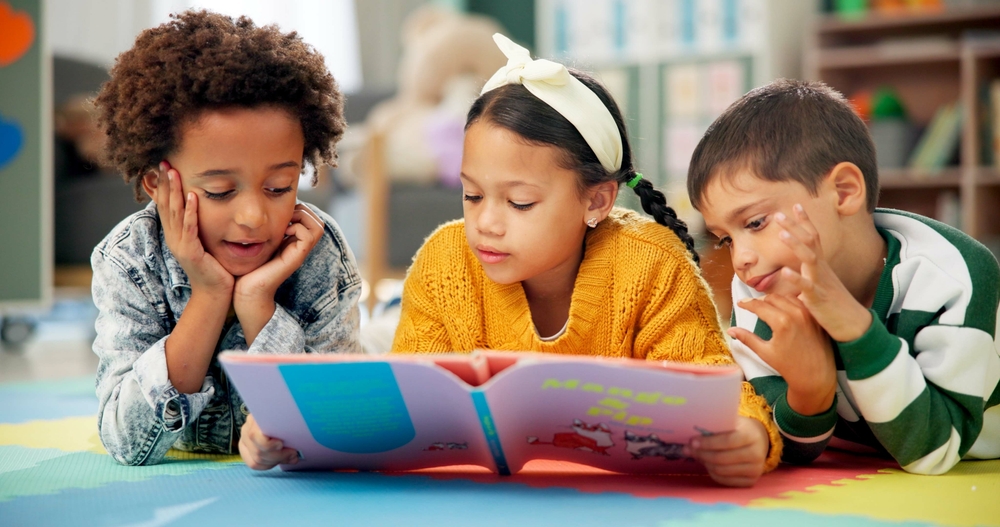
Try swapping out one of your regular bedtime reads for climate-themed stories, such as The Lorax, A Planet Full of Plastic, and Drawn To Change The World, a graphic novel collection featuring Greta Thunberg and other environmental activists.
4. Focus on Action, Not Anxiety
Climate change can feel overwhelming—even for adults. For kids, the goal is empowering them to get involved. Encourage small, age-appropriate actions like:
- Using a reusable water bottle
- Planting a small garden
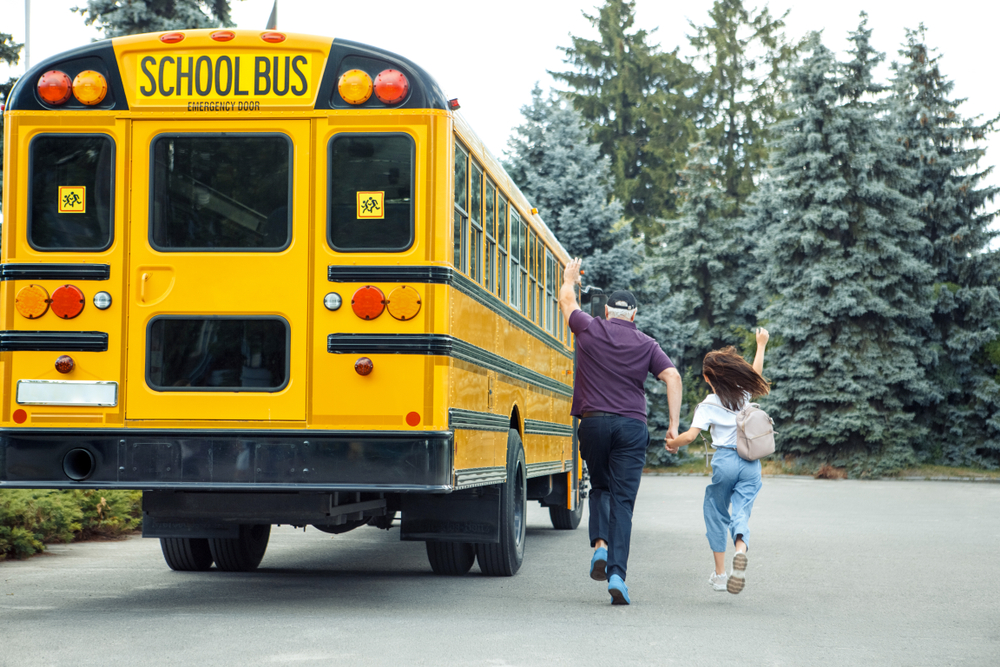
- Walking or biking to school
These habits help kids see themselves as part of the solution.
5. Follow Their Lead
If your child shows interest in a climate topic (like oceans or storms), explore those topics deeper. Climate literacy doesn’t have to follow a strict curriculum. Feed your child’s interest!
6. Model Good Behavior
Kids notice what adults do. Simple habits like recycling, conserving energy by turning the lights off, and reducing waste quietly reinforce what you’re teaching.
Keep the Conversation Going
Climate literacy doesn’t have to be complicated—or perfect. What matters most is creating space for curiosity, conversation, and small, meaningful actions. By helping kids understand the world around them and their place in it, you’re not just teaching them about climate—you’re giving them the confidence to care, ask questions, and be part of the solution.