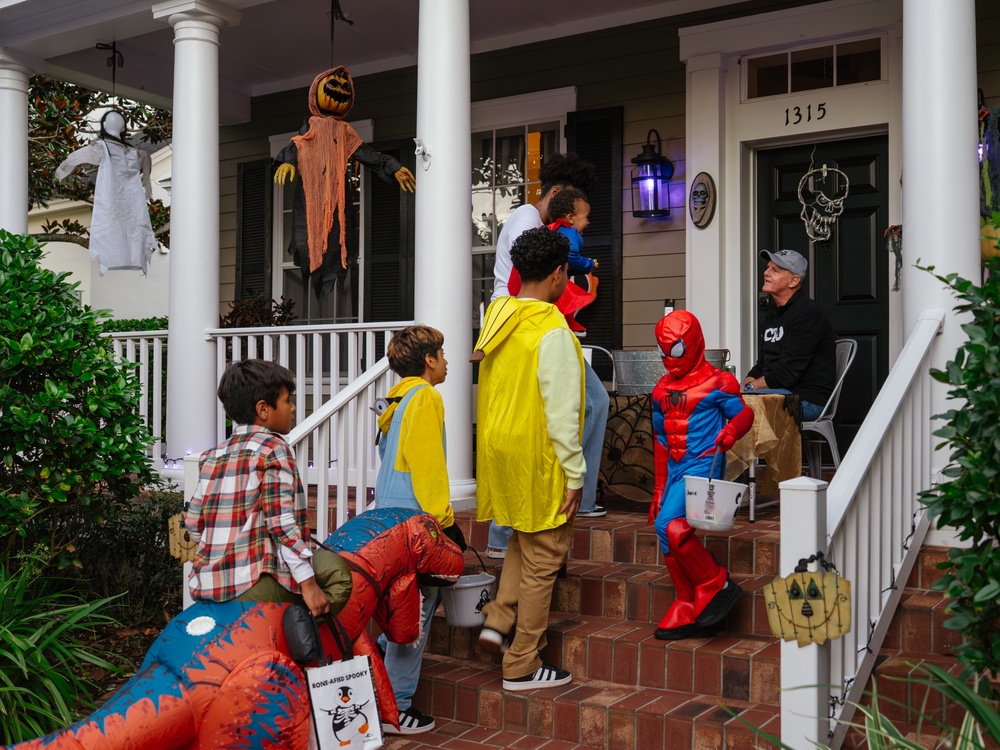
From classroom parties and trunk-or-treats to little ghosts and goblins knocking on doors, sweet treats take center stage on Halloween. But for youngsters on restricted diets, the holiday’s focus on foods they can’t eat puts a big damper on trick-or-treat fun.
Why Food Allergy Awareness Matters on Halloween
One in 13 U.S. children has a food allergy. That’s about two kids per classroom. For these kids, everyday foods such as milk, peanuts, tree nuts, wheat and eggs can trigger allergic reactions, sometimes severe enough to be life-threatening. Other students have different health needs that require a special diet, including diabetes, celiac disease and many digestive disorders.
Many popular Halloween candies contain common allergens, and even familiar treats can hide harmful surprises. Halloween is a fun holiday for kids, and every child deserves to take part in the festivities without worrying about what goes in their trick-or-treat bag.
Teal Pumpkins Support Kids with Allergies

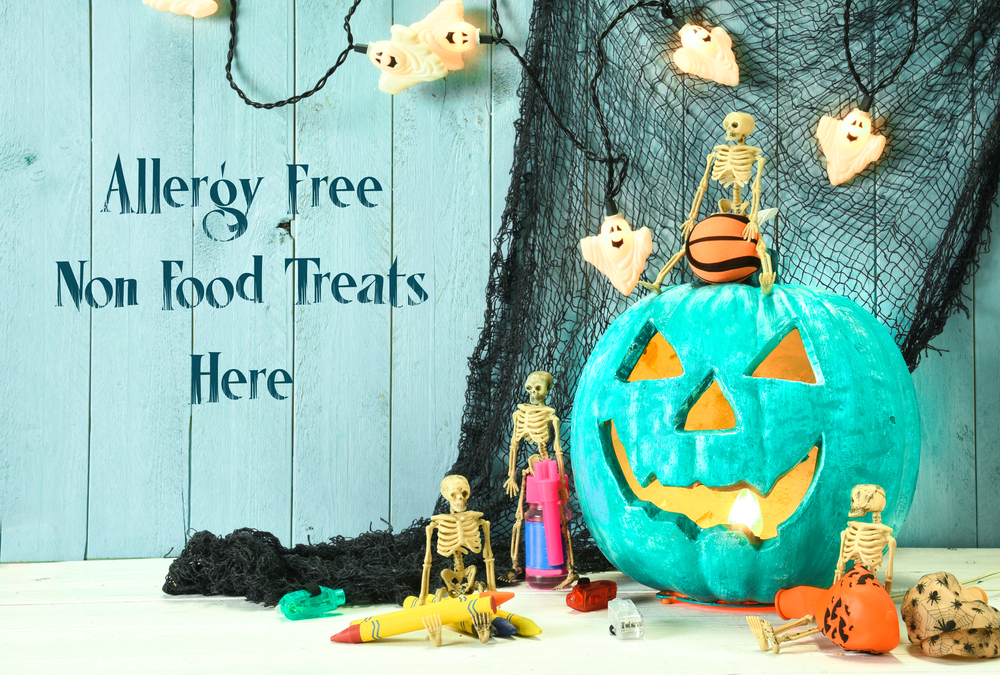
If you’ve spotted a teal pumpkin on someone’s doorstep, it’s more than a colorful Halloween decoration. It’s a sign that the home offers non-food treats for trick-or-treaters.
The Teal Pumpkin Project, launched nationally in 2014 by Food Allergy Research & Education (FARE), encourages families, schools and communities to make Halloween more inclusive for children with food allergies and other conditions that limit what they can eat.
Teal is the color of food allergy awareness, and displaying a teal pumpkin or a Teal Pumpkin Project sign lets trick-or-treaters know that the house is giving out non-food, allergy safe goodies to kids with allergies.
For families handing out candy, you don’t have to abandon giving out traditional candy. Simply offer non-food treats as an alternative and keep them in a separate bowl.

5 Easy Ways to Have a Teal Halloween
Ready to make Halloween a little more welcoming for everyone? These simple ideas can help.
1. Stock Up on Non-Food Treats
You don’t have to spend a fortune to make trick-or-treaters smile. Try handing out:
- Glow sticks or glow bracelets
- Halloween stickers and temporary tattoos
- Pencils, erasers or bookmarks
- Spider rings and other small Halloween toys
- Mini notebooks or coloring sheets
- Bubbles or larger novelty items for younger children
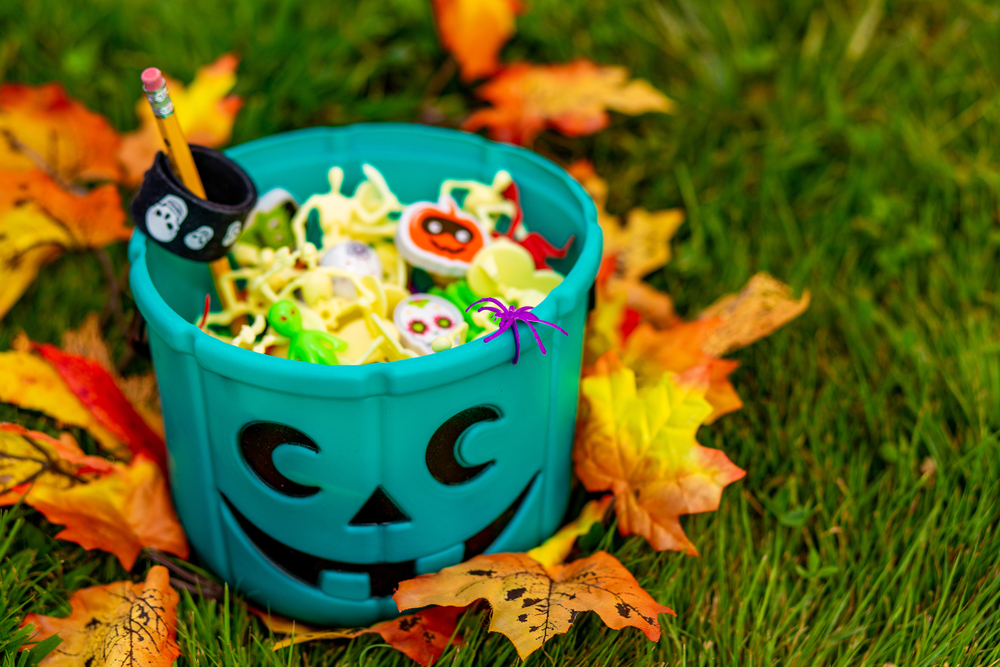
Choose age-appropriate items and avoid small toys that could pose choking hazards for young children. Also, remember that some popular non-food items, such as traditional Play-Doh, contain wheat and may not be appropriate for children with wheat allergies or celiac disease.
2. Put a Teal Pumpkin on Your Doorstep
Paint a pumpkin teal, buy a reusable teal decoration or display a printable Teal Pumpkin Project sign. It’s an easy way to show that every trick-or-treater is welcome.
Better yet, make decorating your teal pumpkin a family activity. It’s a fun opportunity to talk with kids about food allergies, kindness and including others.
3. Keep Candy and Non-Food Treats Separate
If you’re offering both, use separate containers to reduce the chance of allergen cross-contact. Let children choose their treat without asking them to explain their allergies or dietary needs.
4. Put Your Home on the Teal Pumpkin Project Map
FARE offers an interactive map where families can find participating homes and Halloween events. Add your home or community event so families can plan their trick-or-treating routes and find places offering non-food treats.
5. Invite Your Neighbors to Participate
One teal pumpkin is great. A whole street of them is even more fun! Ask neighbors and friends to participate. FARE’s 2026 campaign also encourages volunteers to become Teal Pumpkin Community Captains, helping spread the word and bring more homes, schools and community events into the project.
Safety Tips For Trick-or-Treating With Food Allergies
For families managing food allergies, a little preparation can help keep the focus on Halloween fun.
Check Before You Snack
Establish a family rule that no candy gets eaten until a parent or caregiver has checked the ingredients and confirmed it’s safe. Avoid treats without enough labeling information to verify their ingredients.
Bring Your Child’s Prescribed Epinephrine
If your child has been prescribed an Epi-pen for severe allergic reactions, carry it and follow your emergency action plan. Make sure any adult accompanying your child knows how and when to use it. Epinephrine is the first-line treatment for anaphylaxis, and emergency medical care is still necessary.
Plan Your Route
Use the Teal Pumpkin Project map to look for participating homes and events. Remember that a teal pumpkin signals the availability of non-food treats, not that all candy at that location is allergy-safe.
Teach Kids to Speak Up
Help children practice asking whether a treat is safe and politely declining food when they’re unsure. Reinforce that they should never feel pressured to eat something.
A Little Teal Goes a Long Way
Halloween should be full of happy memories, silly costumes and the excitement of shouting “trick or treat!” with friends. By adding a teal pumpkin to your decorations, offering a few non-food goodies and encouraging your community to participate, you can help more children enjoy the holiday.
So this Halloween, think beyond orange and black. Go teal and help make sure every little ghost, goblin and superhero gets to join the fun!
Visit FARE’s Teal Pumpkin Project for free resources, printable signs and ideas for bringing the project to your neighborhood or school.
Looking for more Halloween fun? Check out these ten Halloween crafts for a spook-tackular holiday!