
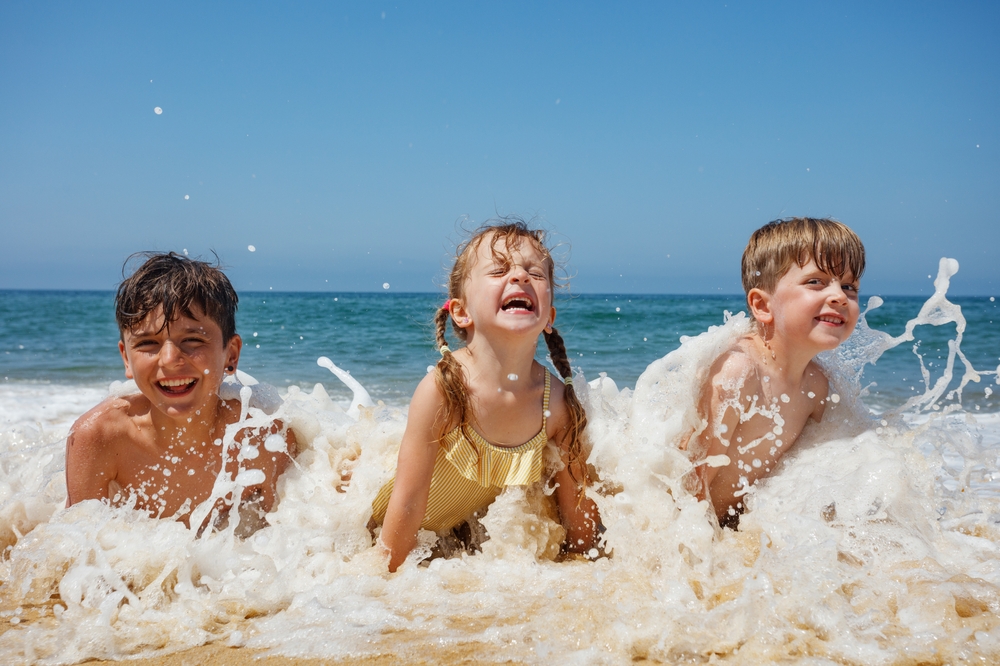
Whether your family is spending the day at the pool, beach, lake or water park, water safety for kids should always come first. Swimming is one of summer’s greatest joys, but it’s important to remember that water accidents can happen quickly—even in shallow water.
According to the Centers for Disease Control and Prevention (CDC), drowning is one of the leading causes of injury-related death for children ages 1 to 4. The good news is that many drowning incidents are preventable with close supervision, the right safety equipment and by adopting a few simple habits.
Use these 10 water safety tips to help keep your children safe this summer.
1. Never Leave Children Unsupervised Around Water
The most important rule of water safety is constant adult supervision. Stay within arm’s reach of young children whenever they’re in or near water. Drowning is often silent and can happen in less than a minute. Designate a “water watcher” whose only job is supervising children—no phones, books or other distractions.
2. Use Coast Guard-Approved Life Jackets
Inflatable arm bands, pool noodles and floaties can be fun toys, but they are not life-saving devices. When boating and swimming in lakes, rivers or the ocean, children should wear a properly fitted U.S. Coast Guard-approved life jacket. Open water presents changing currents, waves and unexpected drop-offs that can challenge even experienced swimmers.
3. Enroll Kids in Swimming Lessons
Swimming lessons are one of the most valuable things you can do for your child. Kids as young as a year old can take lessons that teach water competency and survival skills, including floating on their back, treading water, and reaching an exit point.
With indoor pools, lessons can be taken year-round. Check with your local recreation center for lessons near you. Be sure to choose age-appropriate lessons and continue reinforcing water safety rules at home.

4. Swim with a Buddy and Near a Lifeguard
Teach children to never swim alone. Whether they’re at the pool or beach, always use the buddy system.
Whenever possible, choose swimming areas with lifeguards. They can identify hazards, respond quickly in emergencies and provide assistance if needed.
5. Enter Unknown Water Feet First
Before jumping into lakes, rivers or the ocean, have children enter feet first to check the water depth and watch for rocks, underwater obstacles or sudden drop-offs. Natural bodies of water change constantly, so never assume they’re safe for diving.
6. Remember That Shallow Water Can Be Dangerous
Many people don’t realize children can drown in just a few inches of water. Keep a close eye on children around kiddie pools, splash pads, bathtubs, buckets, coolers, hot tubs and any container holding standing water. Empty portable pools immediately after use to prevent curious kids from going in unsupervised.
7. Teach Older Kids to Make Smart Choices
As children become teenagers, conversations about water safety should include responsible decision-making. Talk about the dangers of swimming after drinking alcohol or using recreational drugs. Impaired judgment, slower reaction times and poor coordination dramatically increase the risk of drowning. Remind them to always use the buddy system and never dive into unknown water.
8. Know the Water Conditions
Before swimming outdoors, check weather forecasts, water conditions and beach safety flags. Strong currents, rip tides, storms and cold water temperatures can create dangerous situations, even for strong swimmers.
9. Learn CPR
Knowing CPR can save a life while waiting for emergency responders to arrive. Parents, grandparents, babysitters and caregivers should consider taking a certified CPR course so they’re prepared to act during an emergency.
10. Create Family Water Safety Rules
Set clear expectations before anyone gets in the water. Rules might include:
- Always ask permission before swimming
- Never run near the pool
- No diving into unfamiliar water
- Stay where an adult can see you
- Wear a life jacket when boating or in open water.
Review these rules regularly so they become second nature.
Make Water Safety Part of Every Summer Adventure
Whether you’re headed to the neighborhood pool, spending the weekend at the lake or taking a beach vacation, a few simple precautions can dramatically reduce the risk of drowning.
By combining active supervision, swimming skills, proper safety equipment and good decision-making, you can help your children be safe in the water while creating memories that last a lifetime.
Frequently Asked Questions About Water Safety
What is the most important water safety rule for kids?
Active adult supervision is the single most effective way to prevent drowning. Young children should always be within arm’s reach of a trusted adult.
Are floaties safe for children?
Inflatable floaties and water wings are fun pool toys but should never be used as life-saving devices. Choose a U.S. Coast Guard-approved life jacket instead.
At what age should children start swimming lessons?
Many organizations recommend introducing children to age-appropriate swimming lessons as early as age 1, depending on their developmental readiness and comfort in the water.
Can children drown in shallow water?
Yes. Drowning can occur in only a few inches of water, making supervision essential around bathtubs, kiddie pools, buckets, and other standing water.