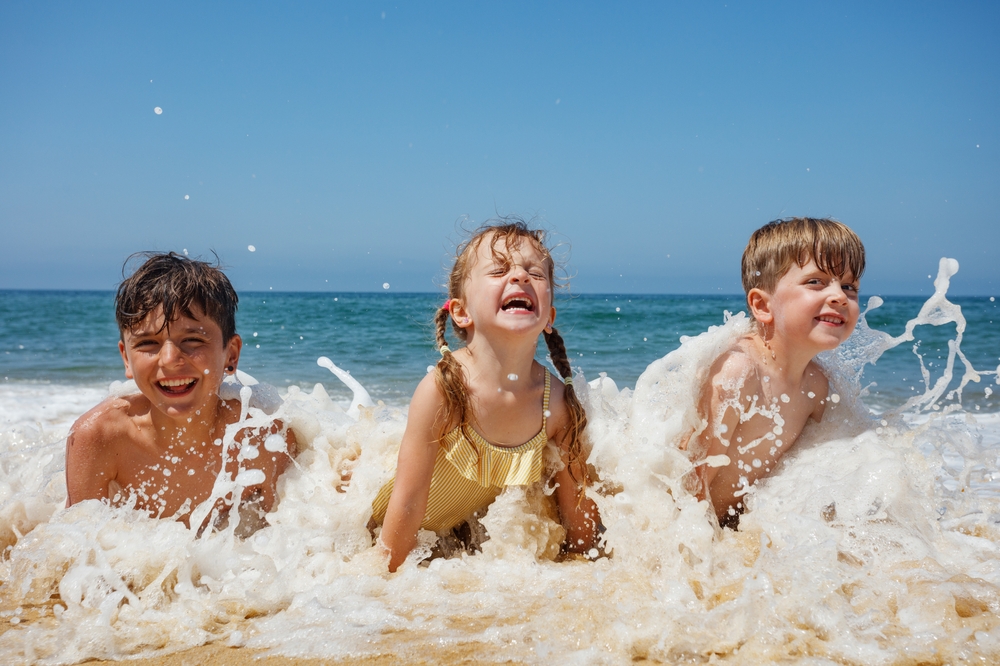
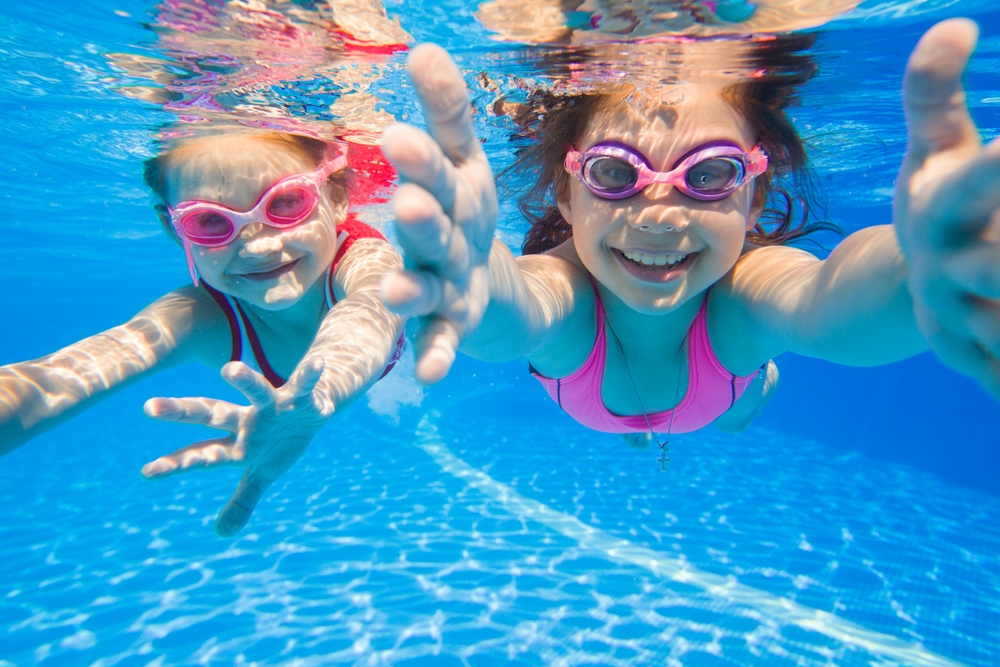
Millions of us celebrate (and try to escape) the warm summer weather by taking a dip in a swimming pool. It’s such an iconic family activity, but tragically, drowning is the number one accidental killer of children between one and four years old. Between 2019 and 2021, roughly 75 percent of the total fatal drowning deaths in the U.S. were children under 15. Drowning continues to be the number two cause of unintentional injury death of kids ages 5-14 nationwide.
Worried and not sure what to do about it? You’re not alone. Drowning happens quickly and silently. Parents expect to hear their child drowning, but unlike in the movies, drowning happens in complete silence. It can be all too easy to be caught unaware. For example, you may not have considered that your doggy door might be a hidden danger, but several children drown each year after escaping from the house through the doggy door. Make sure to secure it until they are too big to fit through.
Another hidden danger is pool parties. In these scenarios, everyone thinks someone else is watching, and there isn’t anyone watching. Tell children that they should never swim alone, and to always make sure an adult is present and actively watching over them whenever they are near a body of water.
There are other steps you can take to keep your child safe. The Consumer Product Safety Commission, the National Drowning Prevention Alliance and Life Saver Pool Fence Systems recommend multiple layers of protection to create as close to a fail-safe system as possible.
Six Layers of Pool Safety
- Parent supervision. There’s just no substitute for your keen eyes.
- Install locks and alarms on all doors and windows that lead to the pool.
- A pool safety fence creates a barrier separating your home from the pool, isolating the pool. This fence should be at least 4′ high and have a self-closing, self-latching gate.
- Placing an alarm inside the pool, such as the BCONE Pool alarm, can help alert you if there is a disturbance in the water.
- Teach children how to swim. Babies as young as six months can begin self-rescue training.
- Learn CPR. Knowing CPR could be the difference between a positive outcome and a permanent tragedy.
Questions to Ask About Pool Parties
If your child is heading to a pool party soon, here are three questions you should ask the host
- What safety measures does the pool have?
- Will there be designated water watchers who will take turns supervising the pool for 15-minute shifts? If it’s a public pool, will there be a lifeguard on duty?
- Can I attend this event? Being another set of eyes to watch kids is usually welcome by the party host.